How to Get Facebook Swaziland Number for Verification & Privacy
Full Blog Article
Introduction: Why People Search for a “Facebook Swaziland Number”
Many users searching online for how to get Facebook Swaziland number are usually trying to solve a simple problem: they want to create or verify a social media account using a phone number from a specific country code, often +268 (Eswatini, formerly Swaziland).
This curiosity is mostly driven by issues like privacy concerns, regional restrictions, or difficulty accessing local SIM cards. Others are simply exploring international communication tools or testing applications that require SMS verification.
However, it’s important to understand that modern platforms like Facebook use strict verification systems to protect users from fraud and spam. That means the focus should not be on bypassing systems, but on understanding legitimate and safe ways to use virtual numbers for privacy and communication purposes.
What Users Are Actually Searching For
When someone types “Facebook Swaziland number,” they are usually not literally looking for a physical SIM card from Eswatini. Instead, their intent falls into one of these categories:
- They want a virtual phone number for Facebook verification
- They are looking for online SMS verification solutions
- They want to protect their privacy using a temporary phone number service
- They are trying to access international sign-up options for apps
- They are exploring ways to receive OTP codes without exposing personal numbers
In most cases, the real need is not geographical—it’s functional. Users want a number that can receive SMS codes for registration, especially when they do not want to use their personal SIM card.
This is where modern telecom technology like virtual SIM systems and international virtual number services comes in.
Understanding Virtual Numbers (The Safe and Legal Approach)
A virtual phone number is a cloud-based number that is not tied to a physical SIM card. Instead, it operates through internet-based systems and can receive calls or SMS messages online.
These numbers are widely used for:
- Business communication
- App testing and development
- Customer service systems
- Privacy protection
When used properly, they are completely legal and widely accepted.
For example, a virtual phone number for Facebook verification may help users who do not want to share their personal number publicly. However, it must be used in compliance with platform rules and local laws.
Step-by-Step Guide: Safe and Legal Ways to Get a Virtual Number
Below is a general, ethical approach to obtaining a virtual number for SMS verification purposes:
Step 1: Choose a Legitimate Virtual Number Provider
Look for well-known telecom or VoIP providers that offer international numbers. These services often provide numbers from multiple countries, sometimes including African regions.
Make sure the provider:
- Has transparent pricing
- Offers customer support
- Does not promote misuse or spam activity
Step 2: Select an International Number Option
Many providers offer international virtual numbers, allowing users to choose a country code depending on availability. Some platforms may include African country codes, though availability can vary.
The goal here is not to “fake location identity,” but to access a number for communication or testing.
Step 3: Use the Number for SMS Verification (Legitimately)
Once you receive your virtual number, you may use it for services that allow SMS-based authentication.
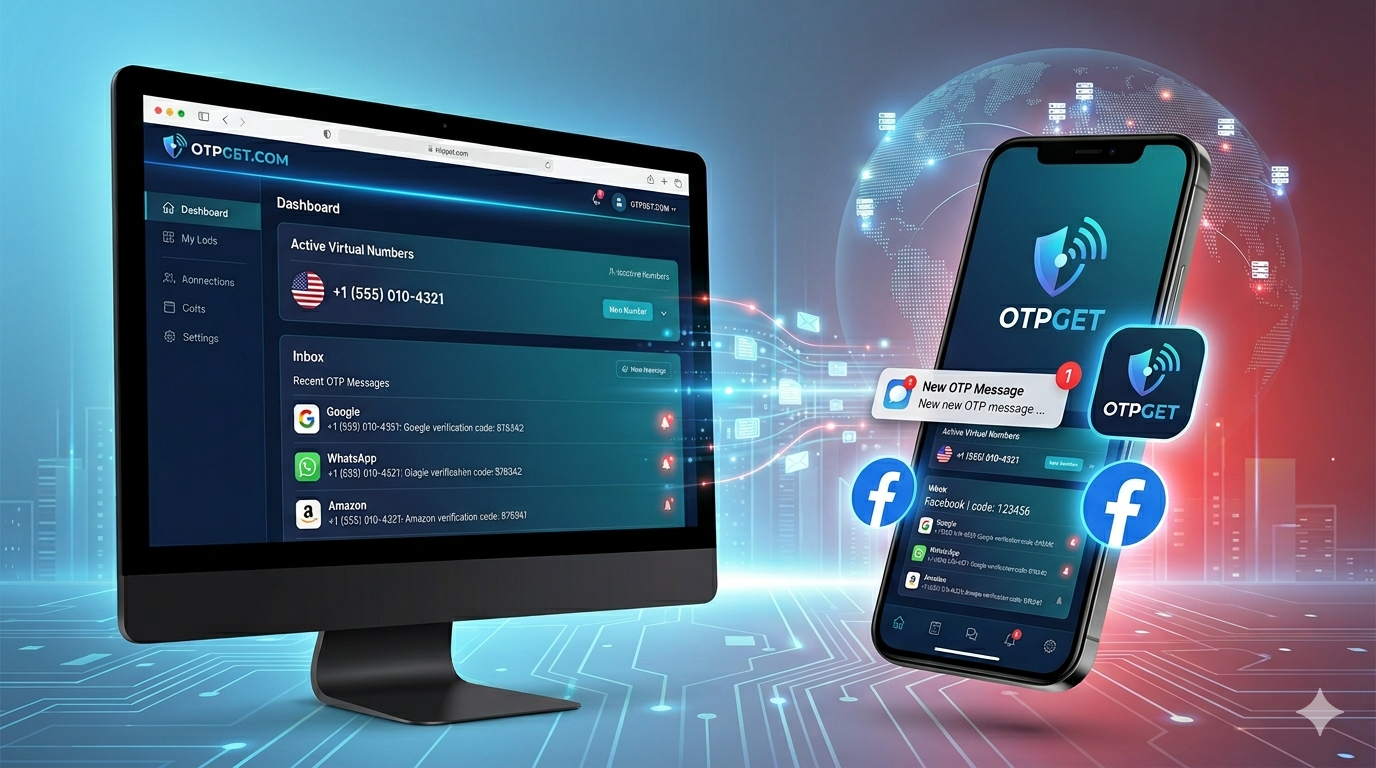
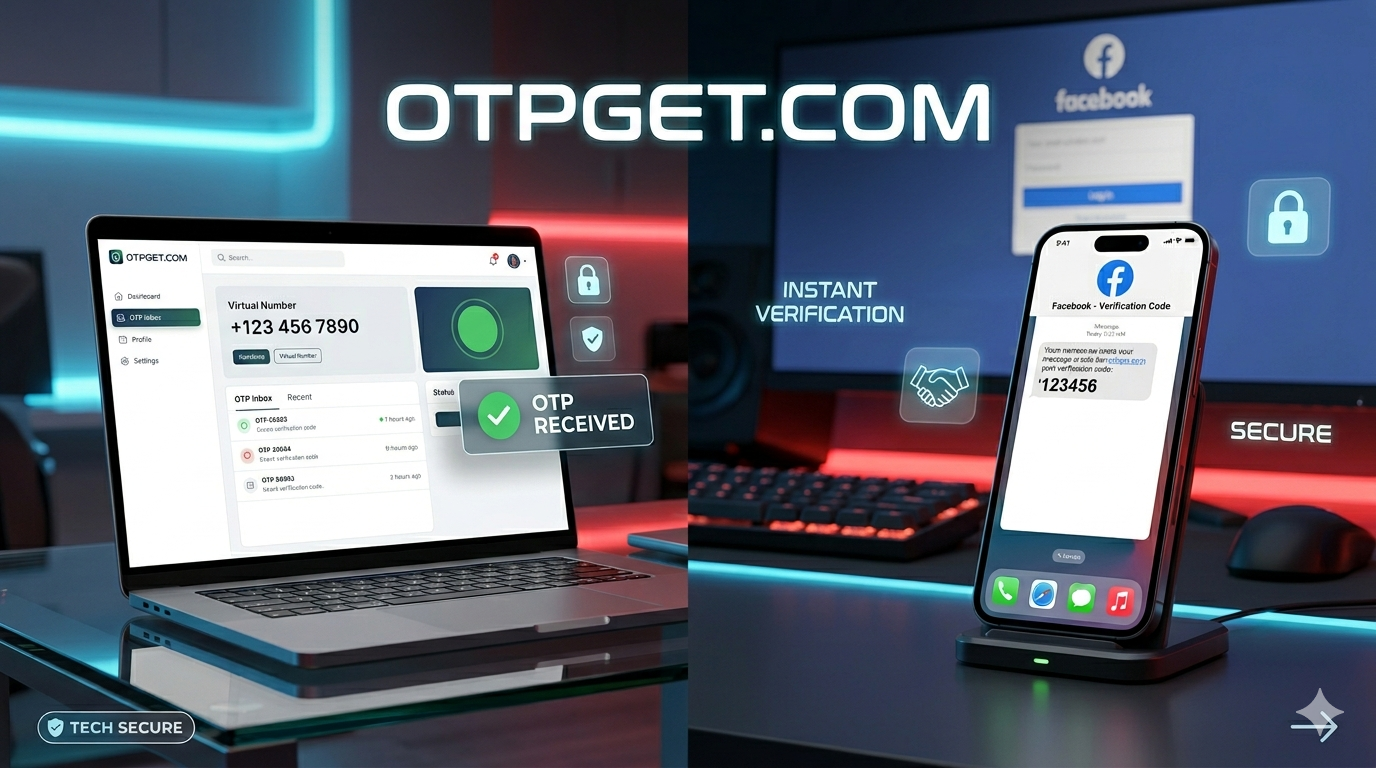
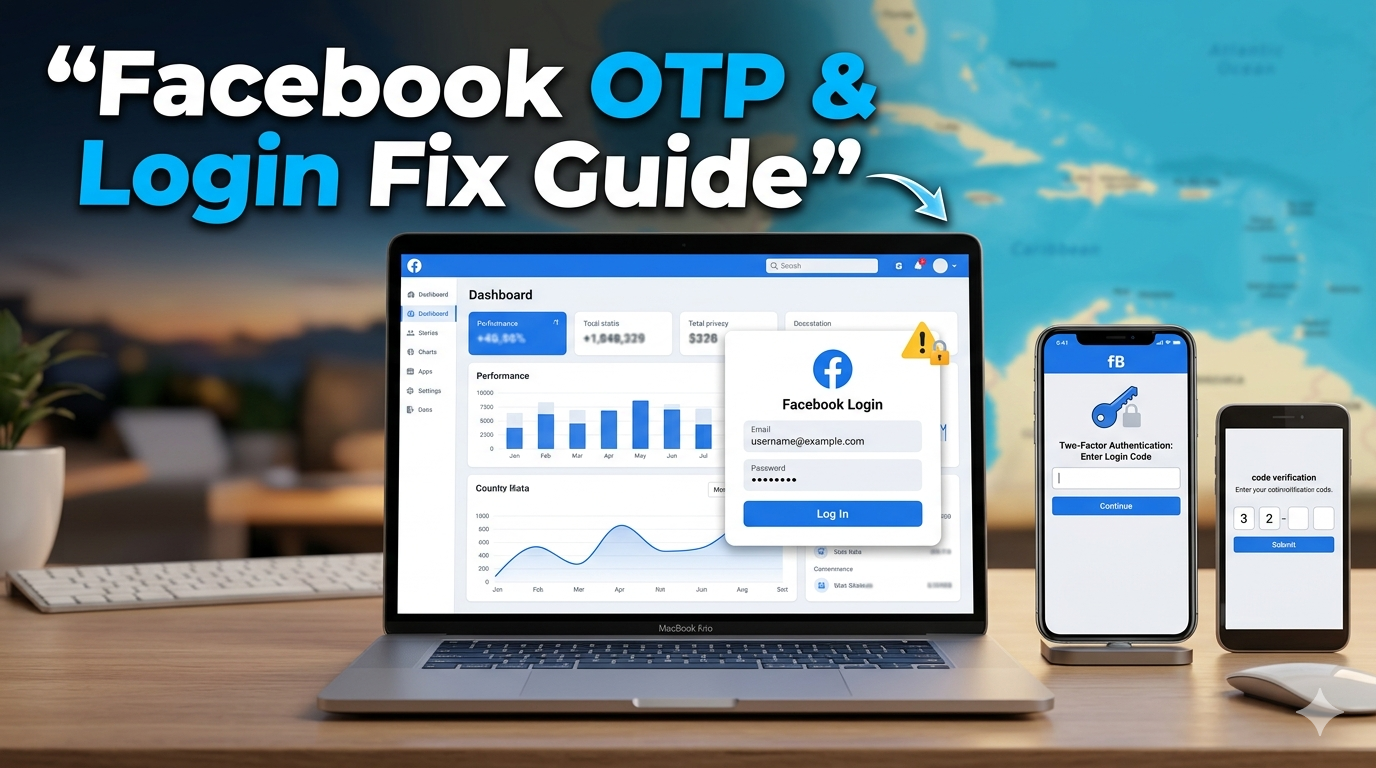
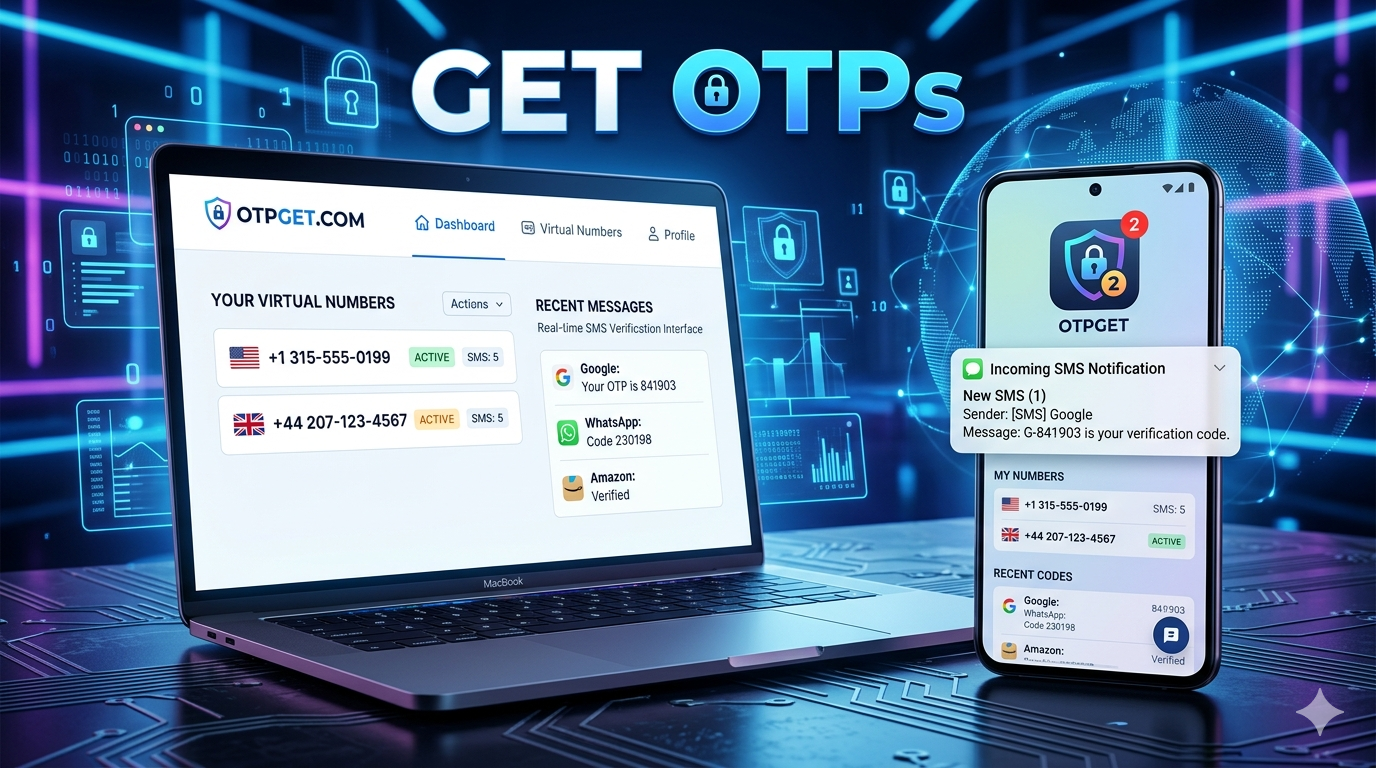
Platforms like Facebook may send a one-time password (OTP) during sign-up. The virtual number will receive this message through the provider’s dashboard or app.
Important: Always ensure the service you are registering for allows virtual or VoIP numbers.
Step 4: Secure Your Account
After verification:
- Add backup email authentication
- Enable two-factor authentication
- Update recovery options
This ensures your account remains secure even if you stop using the number.
Benefits of Using Virtual Numbers
Virtual numbers are not just about verification—they serve many real-world purposes.
1. Privacy Protection
A privacy phone number for apps helps users avoid sharing their personal SIM number across multiple platforms, reducing spam and unwanted messages.
2. Business Communication
Companies often use virtual numbers to manage customer support or regional communication without buying multiple SIM cards.
3. App Testing and Development
Developers frequently use online SMS verification tools to test registration systems, OTP flows, and user onboarding experiences.
4. Global Accessibility
An international virtual number allows users to communicate across borders without needing physical SIM cards from each country.
Common Misconceptions About Facebook Swaziland Numbers
There are several misunderstandings around this topic:
Misconception 1: “You need a Swaziland SIM to register”
Not true. Most platforms accept numbers from various countries as long as they are valid and capable of receiving OTPs.
Misconception 2: “Free SMS websites always work for Facebook”
Many receive SMS online services are unreliable or blocked by major platforms due to security risks.
Misconception 3: “Virtual numbers are illegal”
Virtual numbers are legal in most countries when used for legitimate communication, business, and privacy purposes.
However, using them to impersonate others or bypass platform rules violates terms of service.
Alternatives to Swaziland Phone Numbers
If your goal is simply to register or verify an account, there are safer and more reliable alternatives:
1. Local Mobile SIM Cards
The simplest and most stable option is using a local SIM card from your country.
2. Trusted Virtual SIM Services
Paid providers offering dedicated numbers are more reliable than free OTP websites.
3. Business VoIP Numbers
Some VoIP services provide long-term numbers suitable for professional use.
4. App-Based Communication Tools
Apps like WhatsApp Business or cloud calling services can sometimes reduce the need for multiple SIM cards.
Why “Free SMS OTP Sites” Can Be Risky
While searching for SMS OTP receiving service platforms, users often encounter free websites offering shared numbers. These come with serious risks:
- Numbers are publicly shared
- Messages can be seen by anyone
- Accounts can be easily compromised
- Many platforms block these numbers
For secure usage, always prefer private or paid services.
The Bigger Picture: Privacy in the Digital Age
The growing demand for tools like virtual numbers shows how important privacy has become in today’s digital world.
People no longer want to expose their personal number for every app or website they join. Instead, they are looking for flexible communication tools that give them control.
Whether for registration, testing, or business communication, virtual numbers offer a modern solution—when used responsibly.
Conclusion: The Smart Way to Think About Facebook Swaziland Numbers
Searching for how to get Facebook Swaziland number usually reflects a deeper need for privacy, flexibility, and easier account verification.
Instead of focusing on specific country codes, the better approach is understanding how virtual phone number systems work and choosing legal, secure providers that support your needs.
Platforms like Facebook are designed to protect users, so using legitimate methods ensures your account remains safe and compliant.
In the end, the smartest choice is not about finding a “special number,” but about using technology responsibly to protect your identity while staying connected globally.
If you approach virtual numbers with a focus on privacy, security, and ethical use, they become powerful tools for communication—not shortcuts around systems.