How to Get Facebook Togo Number for Easy SMS Verification
Full Blog Article (1200–1800 words)
Introduction
In today’s digital world, creating online accounts has become a basic necessity, whether for social networking, business, or communication. One of the most widely used platforms is Facebook, which requires phone number verification during signup or login for security reasons.
However, many users face challenges when they try to register or verify their accounts. Issues like unavailable SIM cards, travel restrictions, privacy concerns, or repeated verification errors often lead people to search for solutions like “how to get Facebook Togo number” or similar virtual number options.
This growing demand has led to the popularity of virtual SMS services and temporary phone numbers that can receive OTP codes online. These tools are widely used for convenience, privacy, and global accessibility.
In this guide, we will explore how Facebook phone verification works, why users look for virtual numbers, and what alternatives exist, along with a responsible overview of SMS reception services.
Understanding Facebook Phone Verification
When you create a new account on Facebook, the platform often asks for a mobile number. This step is known as phone verification.
The process is simple:
- You enter your phone number during signup
- Facebook sends a One-Time Password (OTP) via SMS
- You enter the OTP to confirm ownership of the number
This system helps Facebook:
- Prevent fake accounts and bots
- Improve security for users
- Enable account recovery in case of password loss
- Protect against suspicious login attempts
While this system improves safety, it can also create barriers for users who do not want to share their personal number or cannot receive SMS on their device.
Why People Search for Virtual Numbers
The search for terms like “Facebook Togo number” is part of a larger trend where users look for alternative phone verification methods. There are several common reasons behind this:
1. Privacy Protection
Many users prefer not to share their personal phone numbers with social media platforms due to privacy concerns.
2. Multiple Accounts
Some users manage multiple accounts for business, marketing, or testing purposes and need different numbers for each.
3. Travel or Location Restrictions
People living abroad or traveling may not have access to a local SIM card for verification.
4. Temporary Use Needs
Some users only need a number for one-time verification and do not want long-term commitments.
5. Accessibility Issues
Not everyone has access to stable mobile networks or SMS services in their region.
These factors have led to increased demand for virtual number services and online SMS reception platforms.
Solution Overview: Virtual Number and OTP Services
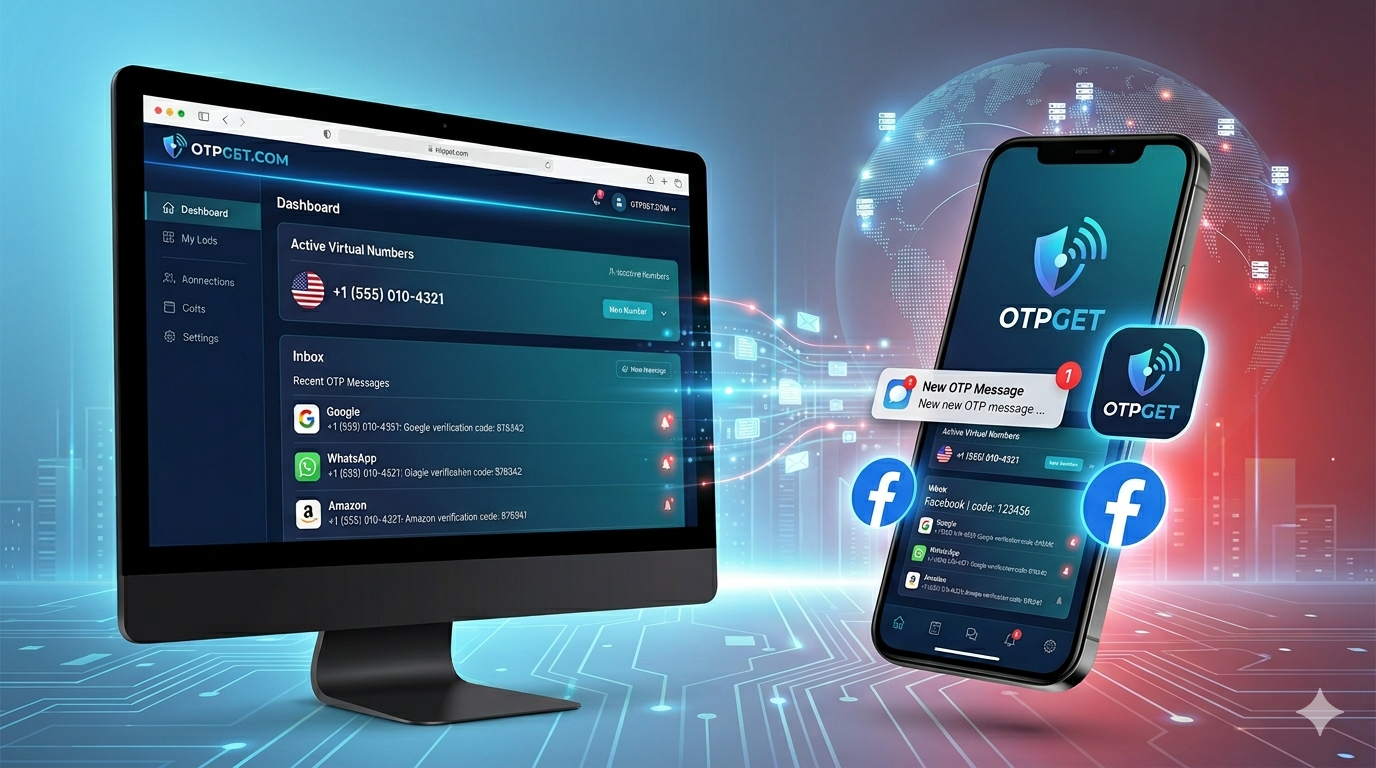
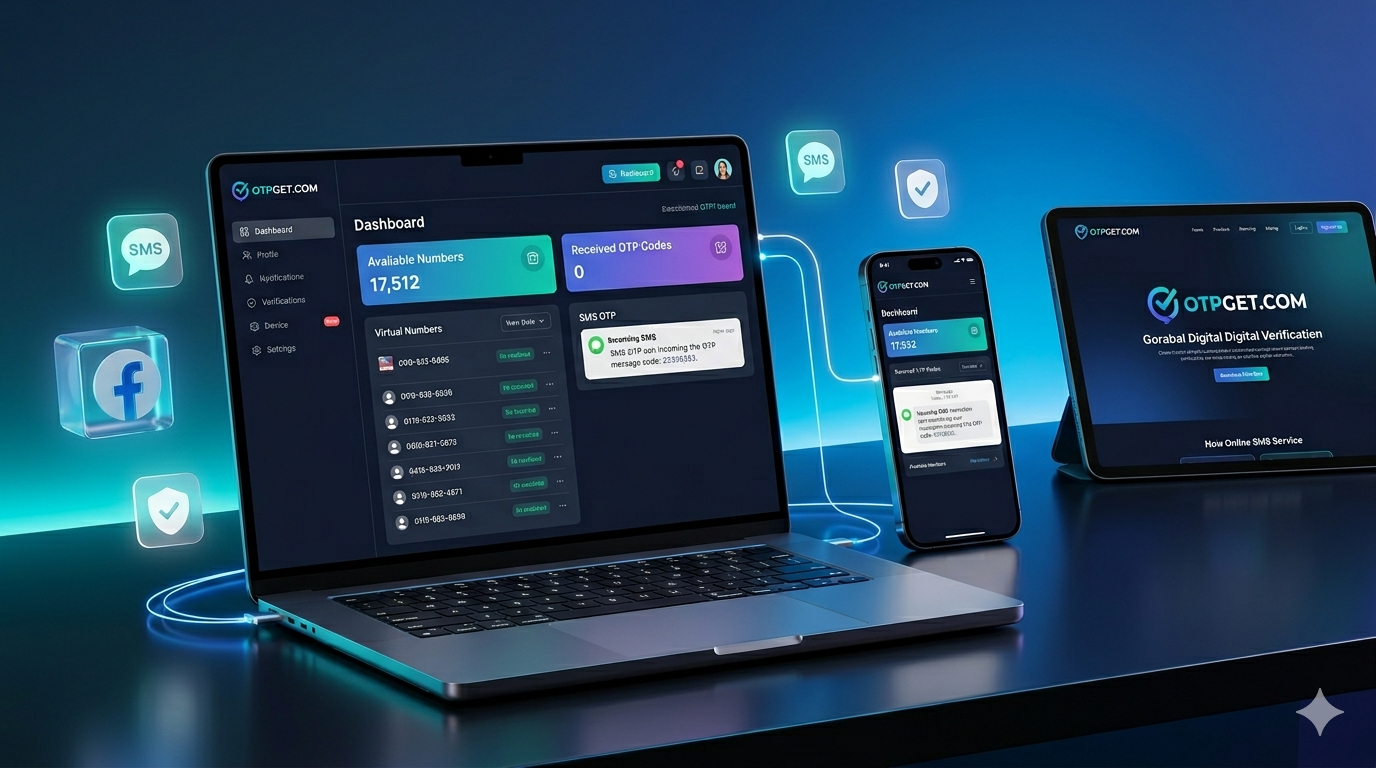
To address these needs, various platforms offer virtual phone numbers that can receive SMS online. One such commonly discussed service is OTPGET, which is known in the space of OTP (One-Time Password) and temporary SMS reception tools.
OTPGET is part of a broader category of online platforms that provide temporary numbers for receiving verification codes. Similar services operate in a simple way:
- Users select a virtual number from a list of available countries
- The number is used during signup or verification on platforms like Facebook
- Incoming SMS messages (OTP codes) are displayed on the service dashboard
- Users retrieve the code and complete verification
Other similar services in this category work under the same principle, offering:
- Temporary or shared numbers
- Country-based selection options
- Web-based SMS inbox systems
- Pay-per-use or free-tier access (depending on platform)
It is important to understand that these services are not officially affiliated with Facebook and are generally intended for testing, development, or temporary verification purposes.
Step-by-Step Process (General Overview)
If someone is using a virtual SMS service for informational or legitimate testing purposes, the general process typically looks like this:
Step 1: Choose a Virtual Number Service
Select a platform that provides online SMS reception numbers.
Step 2: Select a Country Number Option
Users often choose a number based on country availability, such as Togo or other regions.
Step 3: Enter the Number During Signup
While registering on Facebook, the selected virtual number is entered in the phone verification field.
Step 4: Receive OTP Online
The SMS containing the verification code is received on the service dashboard.
Step 5: Complete Verification
Enter the OTP into the verification screen to complete the account setup process.
This process highlights how digital verification systems interact with modern communication technologies. However, users should always ensure they comply with platform rules and use legitimate methods where possible.
Benefits of Using Virtual Number Services
Virtual SMS and OTP services have become popular due to several advantages:
1. Privacy Protection
Users can keep their personal number private and reduce exposure online.
2. Fast Verification Process
Receiving SMS online can be quicker in some cases compared to physical SIM activation.
3. Global Accessibility
Users from different regions can access numbers from various countries without needing a local SIM card.
4. Convenience for Testing
Developers and testers often use virtual numbers for app testing and account verification workflows.
5. Temporary Usage Flexibility
These services are often used for short-term verification needs without long-term commitments.
Risks and Limitations
While virtual number services offer convenience, they also come with important limitations:
1. Number Reuse Issues
Many virtual numbers are shared among multiple users, which can create conflicts or account access issues.
2. Account Recovery Limitations
If access to the virtual number is lost, recovering accounts on Facebook may become difficult.
3. Service Reliability
Not all platforms guarantee instant or consistent SMS delivery.
4. Security Concerns
Shared numbers may expose verification codes to other users if not properly managed.
Because of these risks, users should carefully evaluate whether a virtual number is appropriate for their needs.
Alternatives to Virtual Numbers
For users who prefer safer or more stable options, several alternatives exist:
1. Personal SIM Card
The most reliable method is using your own mobile number for verification.
2. Official Account Recovery Methods
Facebook provides built-in recovery options such as email verification and trusted contacts.
3. Trusted Telecom Providers
Using a verified local telecom SIM ensures long-term account stability.
4. Email-Based Security Options
Strengthening email recovery settings can reduce dependency on phone verification.
These methods are generally safer and recommended for long-term account use.
Conclusion
The search for solutions like “how to get Facebook Togo number” reflects the growing demand for flexible and privacy-friendly verification methods in today’s digital environment. Virtual number services and OTP platforms have made it easier for users to receive SMS online and complete account setups quickly.
However, while tools like OTPGET and similar services offer convenience, they should be used responsibly and with awareness of their limitations.
Ultimately, the safest and most reliable method for verifying accounts on Facebook remains the use of personal phone numbers or official recovery options. Virtual SMS tools can be helpful in specific scenarios, but users should always prioritize security, privacy, and long-term account accessibility when making their choice.